people
members of the CoCoCo Lab
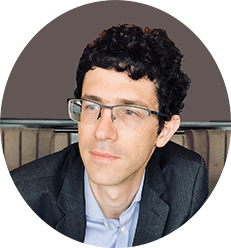
Dr. Nori Jacoby is an Assistant Professor in the Department of Psychology at Cornell University. His research investigates culture using new tools, combining machine learning with behavioral experiments and large-scale datasets, and expanding experimental research through massive online studies and global fieldwork. His work seeks to uncover the principles underlying cultural diversity, collective intelligence, and creative behavior, linking individual perception to large-scale social dynamics.
He completed his Ph.D. at the Edmond and Lily Safra Center for Brain Sciences (ELSC) at the Hebrew University of Jerusalem under Naftali Tishby and Merav Ahissar, followed by postdoctoral positions at MIT (Computational Audition Lab), UC Berkeley (Computational Cognitive Science Lab), and Columbia University (Presidential Scholar in Society and Neuroscience). Before joining Cornell, he was a Research Group Leader at the Max Planck Institute for Empirical Aesthetics in Frankfurt am Main.

Chenyi Li studies human cognition through creative problem-solving and human–AI collaboration, guided by the idea that creating is a powerful route to understanding. Her research explores how people search through large and complex idea spaces, develop strategies, and generate novel solutions in open-ended tasks.
Using large-scale behavioral experiments and computational modeling, she investigates how individuals adapt their problem-solving strategies when collaborating with AI systems, and how such collaboration can either enhance or constrain creativity. She is particularly interested in designing AI orchestration methods that amplify human originality while preserving diversity of thought, which is essential for scientific progress and cultural innovation.
Through this work, Chenyi aims to better understand the cognitive mechanisms underlying exploration, insight, and creative discovery in different contexts.

Haoyu Hu studies how humans and AI systems can collaborate effectively while preserving human values, agency, and creativity. His work focuses on collaborative coding environments as a precise domain for studying communication, coordination, and joint problem-solving between humans and artificial agents.
He is interested in emerging forms of “vibe coding,” where non-expert users leverage AI to produce complex software and creative outputs. Through behavioral experiments and computational analysis, he investigates how such tools reshape learning, skill acquisition, and creative workflows, with the goal of identifying design principles for human-centered AI systems that support productivity without undermining understanding, autonomy, or long-term skill development.
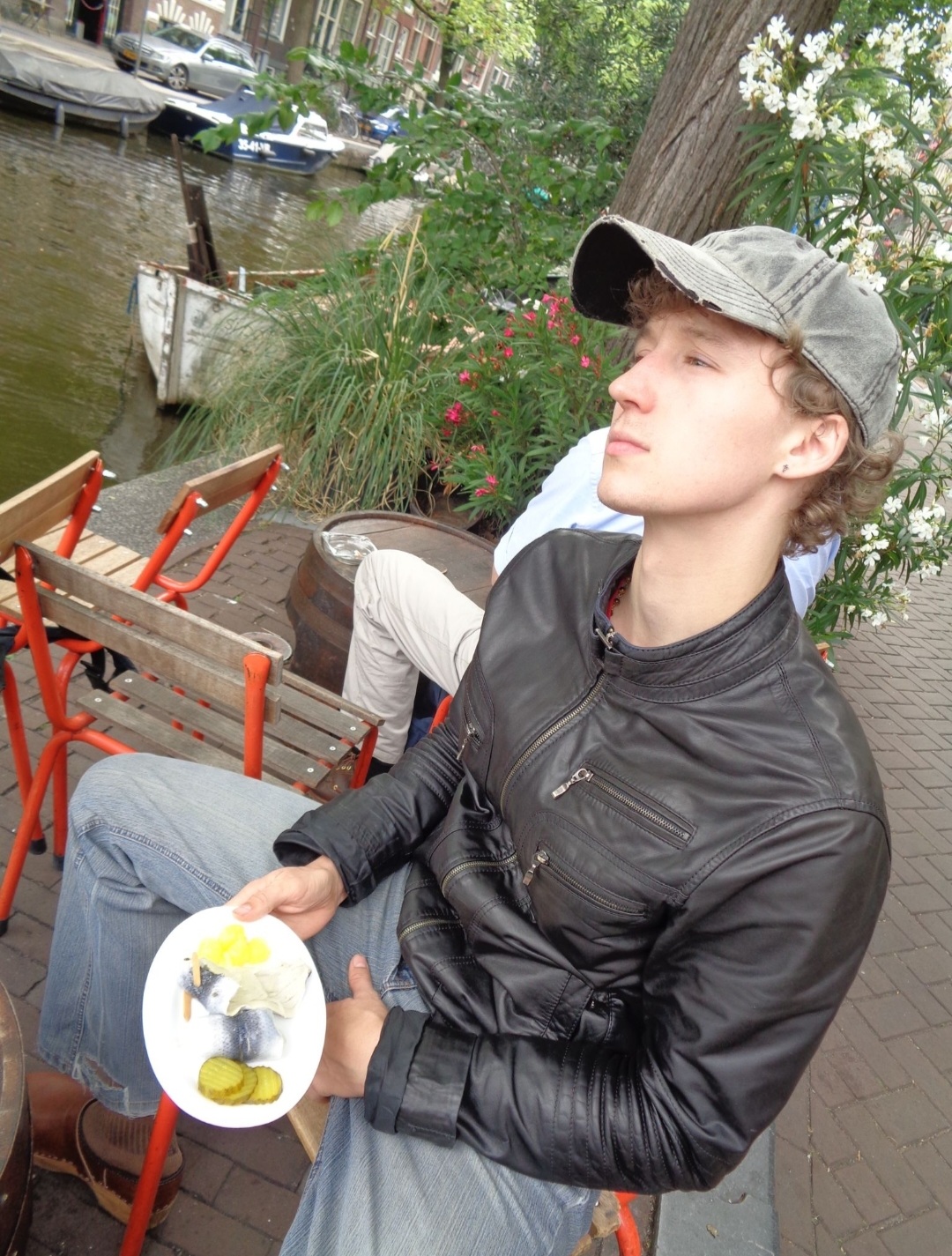
William Botticelli-Wells studies music cognition and cross-cultural perception, focusing on how biology, enculturation, and musical training shape rhythmic and melodic processing across populations. His work integrates large-scale online experimentation, cross-cultural field methods, and computational analysis to investigate universality and variation in musical perception and production.
At the CoCoCo Lab, he contributes to the design, deployment, and analysis of large-scale behavioral experiments using PsyNet, with particular focus on sensorimotor synchronization paradigms, immersive cognitive tasks, and scalable experimental workflows. He is deeply interested in developing methods for studying naturalistic musical behaviors—such as tapping and singing—across diverse populations.
More broadly, William studies how cultural systems shape collective musical behavior, and how statistical and computational approaches can help characterize latent structure in high-dimensional behavioral data. He also supports the lab’s experimental infrastructure, data pipelines, and collaborative workflows, contributing to reproducible and globally distributed research.
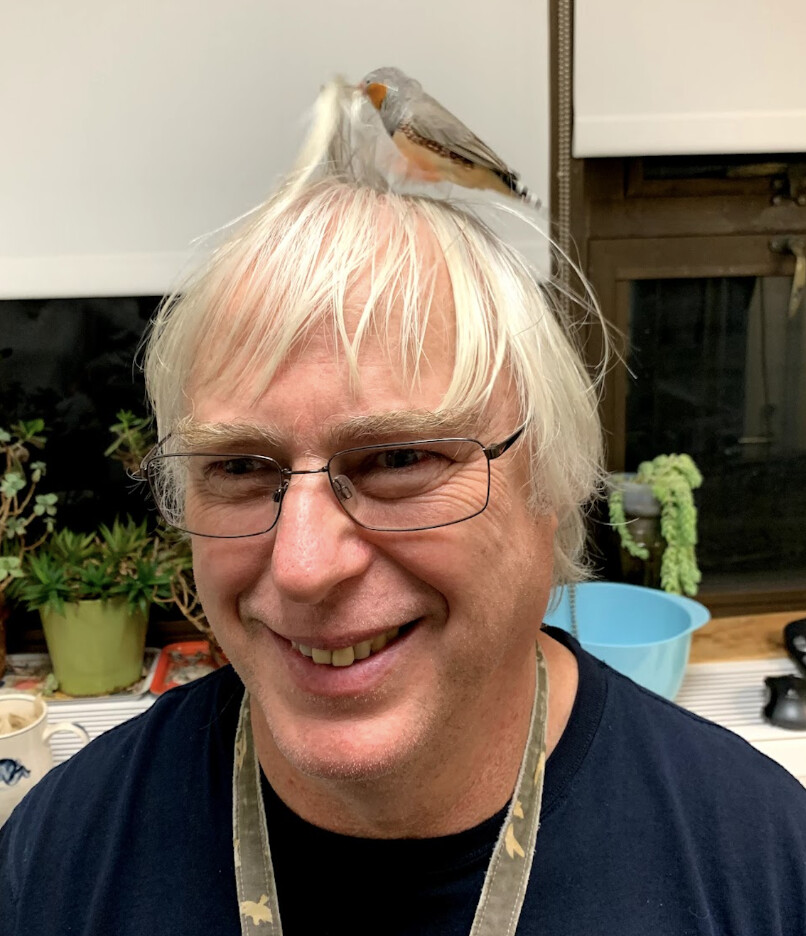
Dr. Ofer Tchernichovski is a Professor at Hunter College who studies cultural evolution and collective behavior in both songbirds and humans. His research bridges biology, cognitive science, and complex systems, examining how individual learning biases and social interactions scale into population-level cultural dynamics.
In humans, he investigates online rating systems, social feedback, and governance structures, exploring how collective judgments emerge and how group decision-making can succeed or fail. In songbirds, he studies vocal learning and cultural transmission, using birdsong as a model system for understanding how culture accumulates, stabilizes, and evolves over generations.
Across both domains, his work seeks to uncover general principles governing collective intelligence, coordination, and the emergence of structure in complex adaptive systems, combining behavioral experiments, computational modeling, and long-term longitudinal data.
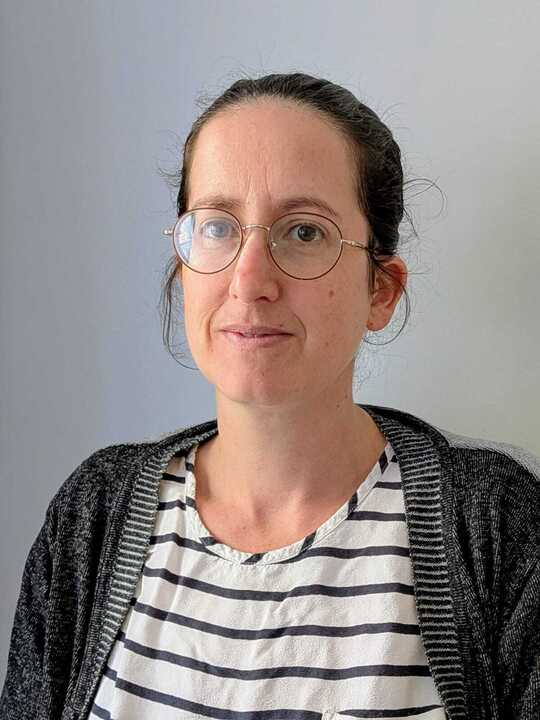
Dr. Naomi Havron is an Associate Professor at the University of Haifa and a Visiting Professor in the Jacoby Lab. She studies early language acquisition and cognitive development, focusing on how infants and young children learn from their linguistic and social environments.
Her research combines controlled laboratory experiments, daylong child-centered audio recordings, large-scale developmental datasets, and online experimental paradigms. She works with diverse populations, including Hebrew-learning and Palestinian Arabic-learning infants, and contributes to international efforts aimed at improving reproducibility, scale, and diversity in developmental science.
Naomi is also a core contributor to the ManyBabies consortium and is actively adapting PsyNet—an open-source framework for scalable online experiments—for use in developmental research. Her work advances methodological innovation in developmental science while deepening theoretical understanding of how language and cognition emerge through social interaction.
placeholder

placeholder
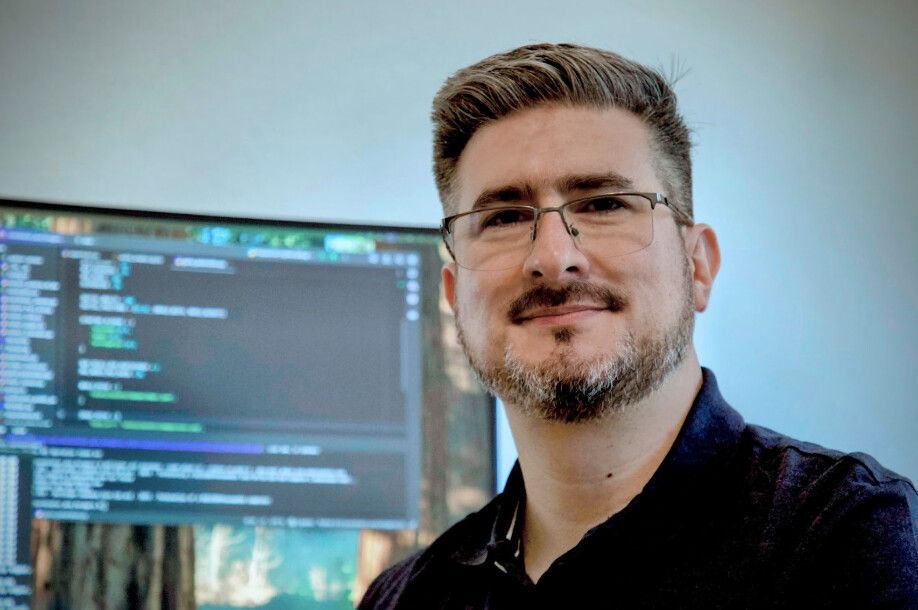
Dr. Edgar Andrade-Lotero is an Associate Professor in the School of Sciences and Engineering at Universidad del Rosario in Bogotá, Colombia, and a Postdoctoral Fellow in the Department of Communication at the University of California, Davis. Trained in mathematics and logic, his research sits at the intersection of cognitive science and artificial intelligence, focusing on the cognitive basis of collective behavior. He studies how people coordinate, specialize into roles, and form structured groups, using behavioral experiments and computational cognitive modeling to understand strategic coordination and group decision-making in complex social systems.
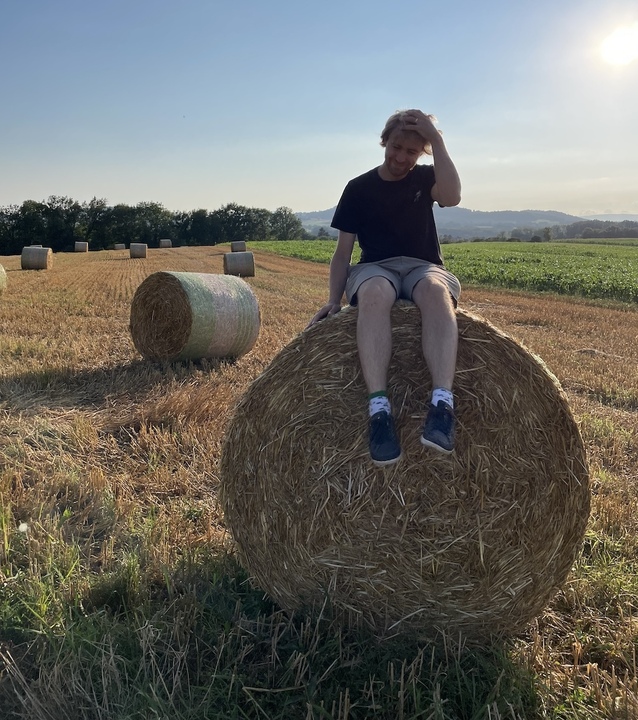
Dr. Lucas Gautheron is a Postdoctoral Fellow in the Evolution, Science and Society group at the University of Missouri and a Visiting Scholar in the Jacoby Lab. With interdisciplinary training spanning physics, history and philosophy of science, and computational social science, he studies collective cognition—how humans pool information, coordinate knowledge, and build cumulative culture.
His research examines both the strengths and vulnerabilities of collective intelligence, including phenomena such as herd behavior, information cascades, polarization, and the maladaptive loss of knowledge. He uses a combination of behavioral experiments, computational modeling, and historical analysis to understand how such failures emerge and how they can be mitigated.
Through this work, Lucas seeks to uncover the conditions under which collective systems reliably generate knowledge, and when they instead produce systematic error, stagnation, or collapse.
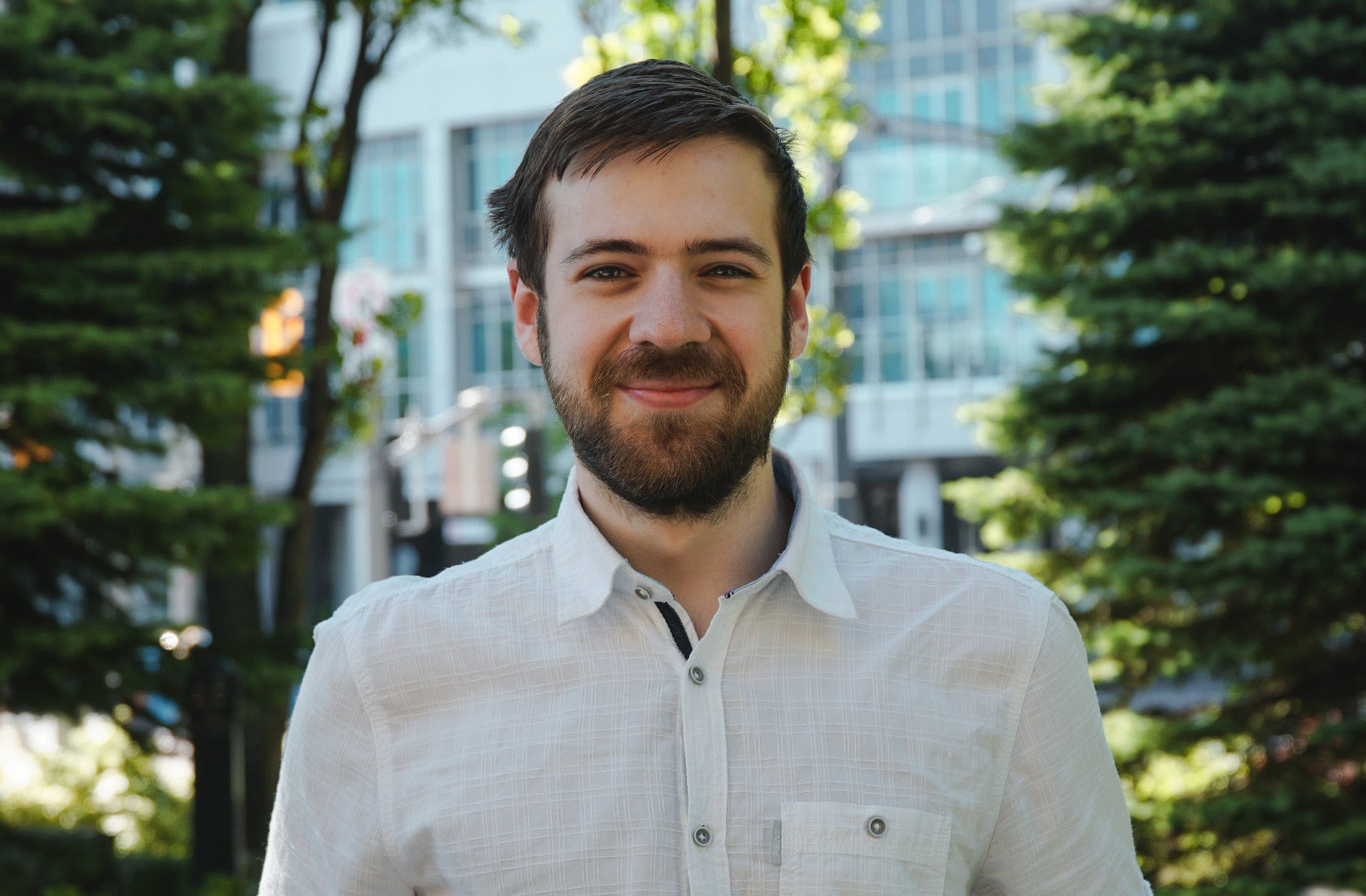
Dr. Ilia Sucholutsky is a Faculty Fellow and Assistant Professor at the NYU Center for Data Science. His research lies at the intersection of cognitive science, machine learning, and statistics, focusing on the limits of learning in humans and artificial systems. He studies how rich representations and generalization can emerge from small amounts of data, using behavioral experiments and computational modeling to investigate few-shot learning, machine teaching, and representational alignment. His work seeks to understand how similarities between human and machine representations shape communication, instruction, and collaboration, with the goal of building AI systems that learn and think with people rather than instead of them.
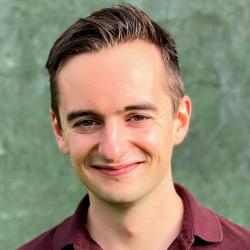
Dr. Peter M. C. Harrison is an Associate Professor in the Faculty of Music at the University of Cambridge, where he is Director of the Centre for Music and Science and Director of Studies in Music at Churchill College. His research specializes in computational and experimental approaches to music cognition, focusing on perception, learning, performance, and individual differences.
He is the creator and co-director of PsyNet, an open-source framework for large-scale online behavioral experiments. Through this work, he develops software and methodological infrastructure that enable high-throughput, reproducible studies of musical behaviors, including tapping, singing, and cultural transmission. His broader research seeks to accelerate scientific discovery in music psychology by combining scalable experimentation, computational modeling, and open research tools.
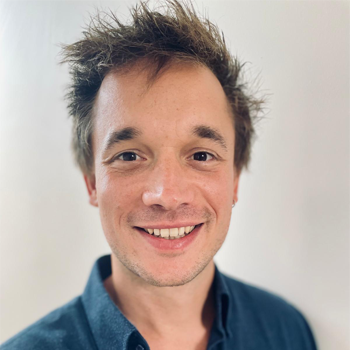
Dr. Manuel Anglada-Tort studies the psychological and cultural foundations of music, creativity, and aesthetic experience. His research explores how music and artistic systems emerge through the interaction of human cognition, social interaction, and cultural transmission. Combining computational modeling with large-scale behavioral experiments, cross-cultural methods, and neuroscience, he investigates how musical structure evolves, how aesthetic preferences form, and how creative behaviors are shaped by cultural dynamics.
Manu is a Lecturer in Psychology and Co-Director of the MSc in Music, Mind, and Brain at Goldsmiths, University of London, and co-leads the Music, Mind and Brain Group. He is the developer of REPP, a high-precision framework for large-scale online synchronization experiments, and leads international research programs on cultural evolution, auditory perception, and creativity.
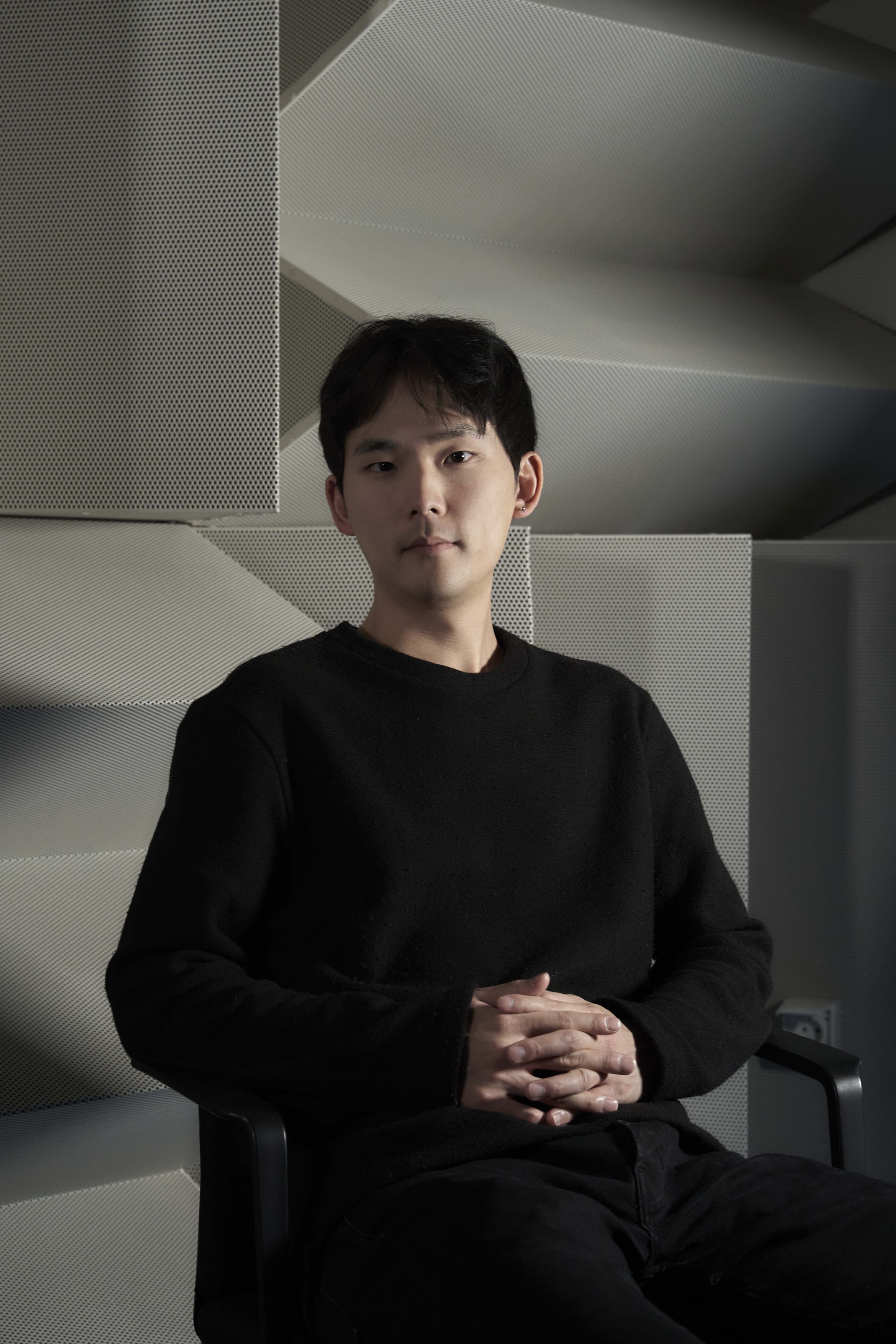
Dr. Harin Lee is a Junior Research Fellow at King’s College, University of Cambridge. He completed his PhD at the Max Planck Institutes for Human Cognitive and Brain Sciences and Empirical Aesthetics, and has held research roles across academia and industry, including at Deezer Research. His work spans cognitive science, data science, and music information research, bridging large-scale behavioral experimentation with computational analysis of global cultural data.
Harin studies cultural evolution and music cognition using large-scale behavioral experiments, global music datasets, and computational methods. His research investigates how cultural exposure, social interaction, and demographic structure shape rhythmic, melodic, and aesthetic patterns in music across societies. By combining massive archival and streaming datasets, cross-cultural fieldwork, and online experiments using PsyNet, he aims to uncover how musical structure and cultural preferences emerge, spread, and transform over time, and how technological change reshapes cultural transmission.
He is also a co-founder of aiar, an art–science collective integrating real-time neuroimaging into live audiovisual performance.
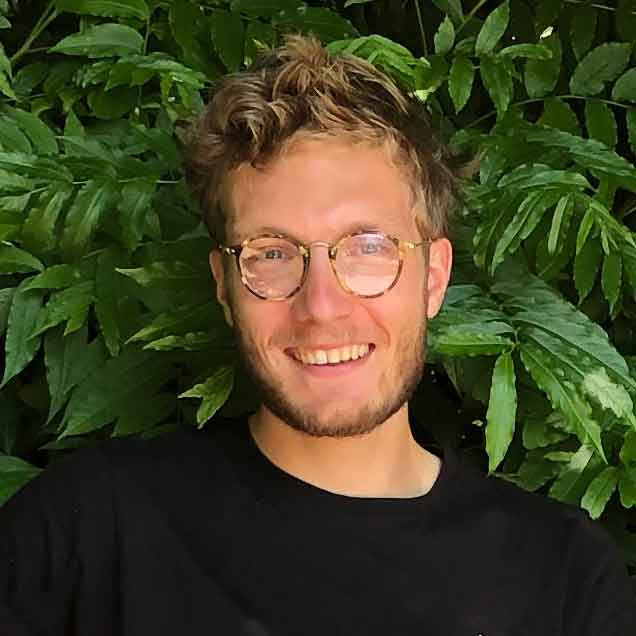
Dr. Pol van Rijn earned a PhD in Computer Science at the Max Planck Institute, where he studied the cognitive and computational foundations of emotional communication in speech. His research investigates how acoustic patterns in speech prosody map onto emotional perception, combining large-scale corpus analysis, experimental manipulation of speech signals, and computational modeling to uncover latent perceptual structures underlying affective experience.
Across his work, Pol bridges signal processing, machine learning, and cognitive science to better understand how humans decode emotion from sound, and how these processes can be modeled computationally. He is also a core developer and maintainer of PsyNet, contributing to the software infrastructure that enables large-scale online behavioral experimentation across labs and institutions. His broader research contributes to questions about representation, communication, and emotion in naturalistic human–machine and human–human interaction.
Raja Marjieh is a PhD candidate in Psychology at Princeton University, working in the Griffiths Computational Cognitive Science Lab and collaborating closely with the Cornell Computational Cognition Lab. His research studies human learning, similarity, and cognitive representation using large-scale adaptive behavioral experiments and computational modeling. He investigates how people form mental representations across language, vision, sound, and music, and how these representations support abstraction, generalization, and efficient learning.
By integrating behavioral data with machine learning, Bayesian modeling, and networked experimental paradigms, Raja aims to uncover principles governing representational structure, alignment between humans and machines, and the emergence of collective cognitive patterns. Prior to Princeton, he completed an MSc in Physics and a joint BSc in Physics and Electrical Engineering at the Technion.